

WSEI University and the State Fund for the Rehabilitation of Disabled Peolple have formalised a partnership whose priority is to foster inclusive education and provide practical support for people with disabilities.
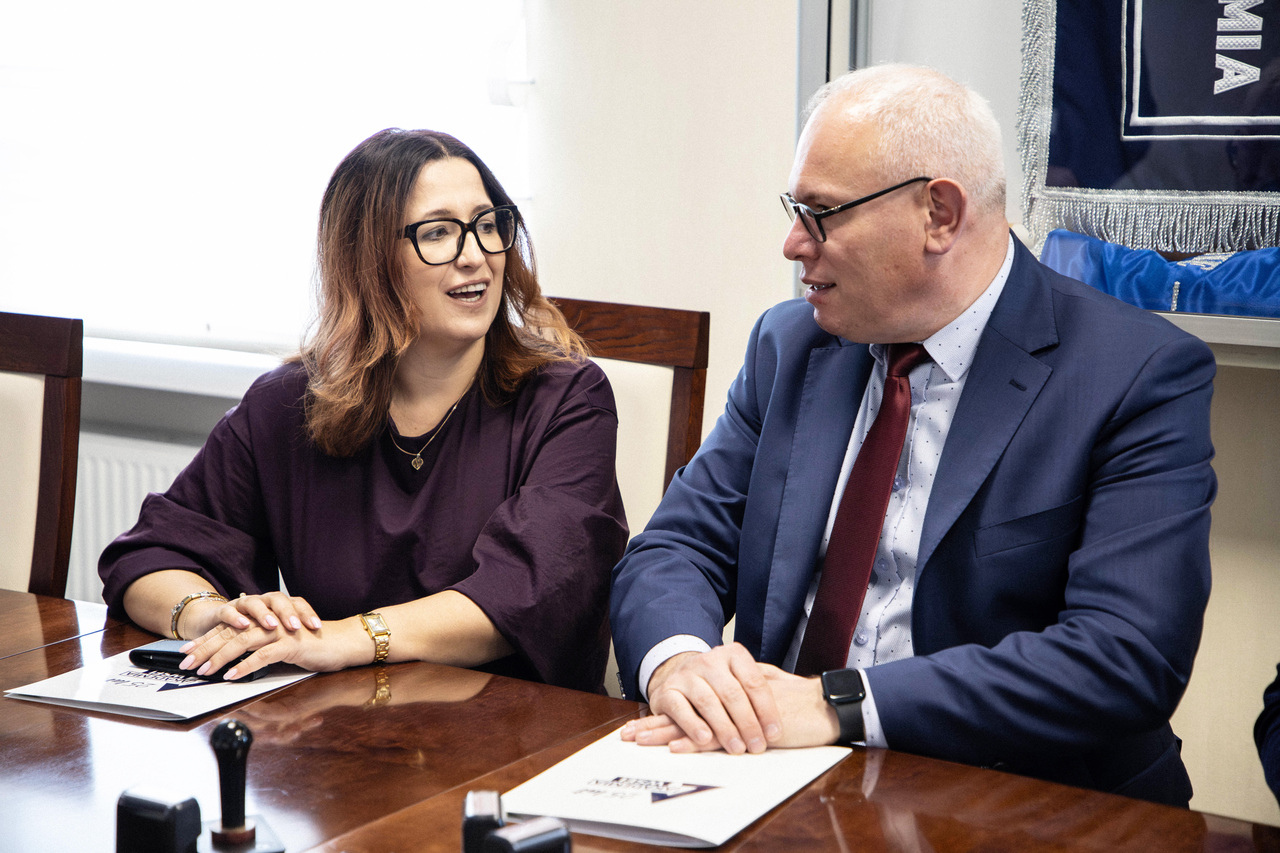
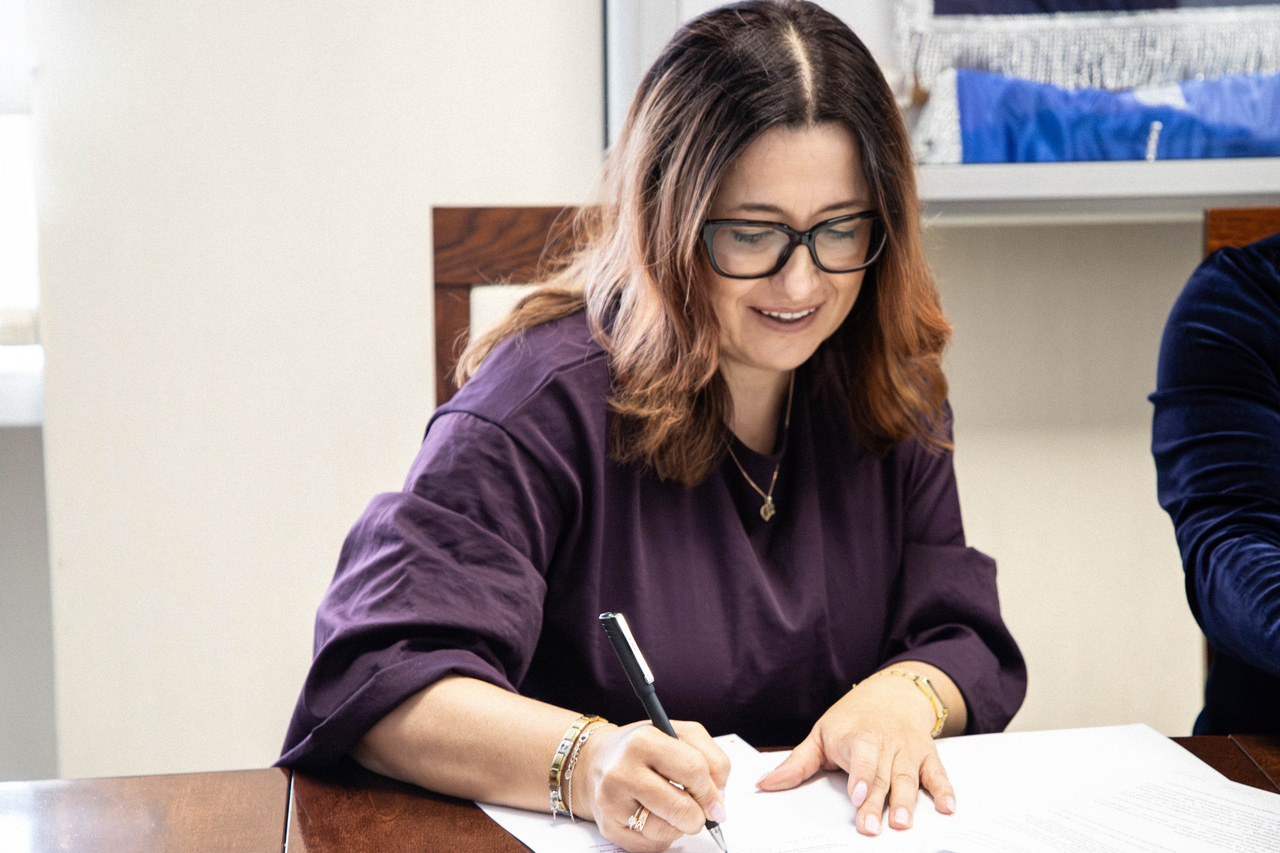
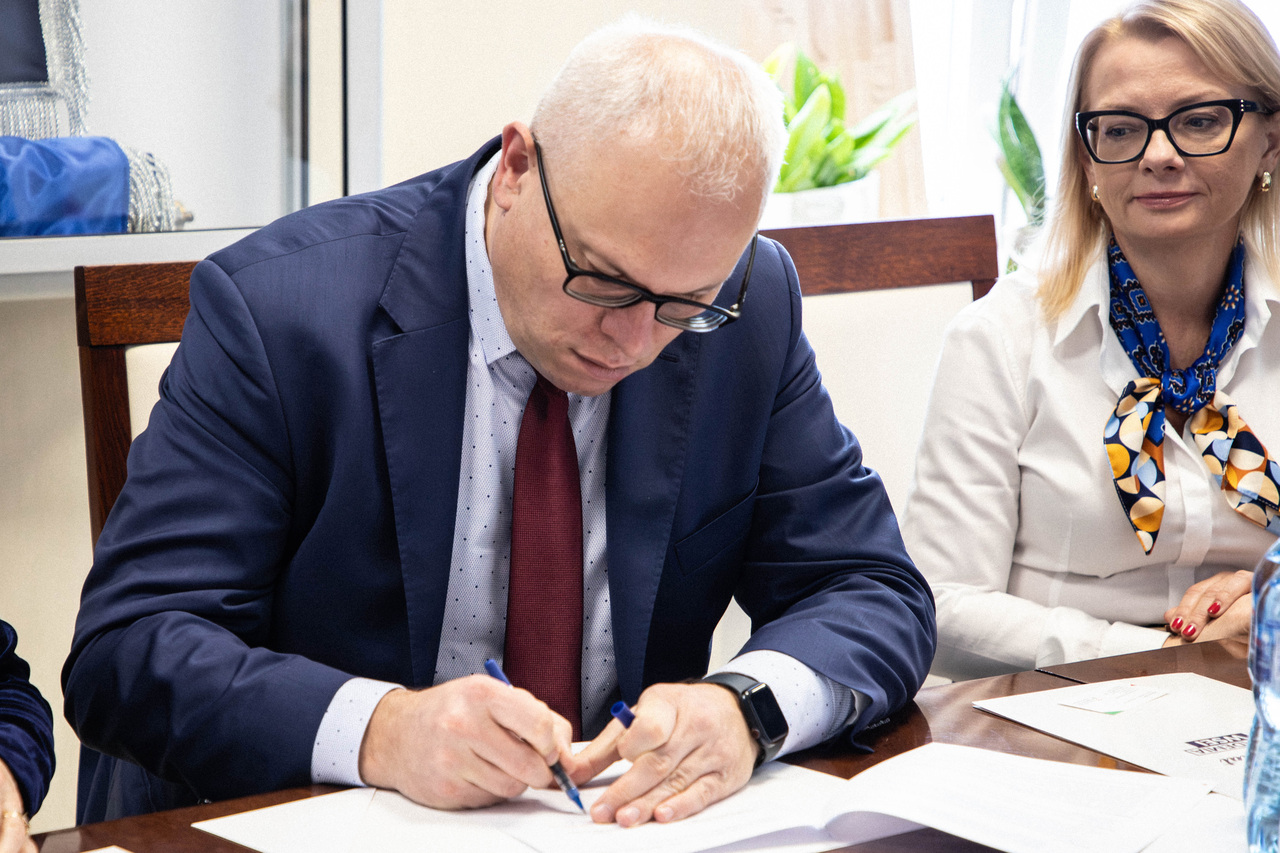
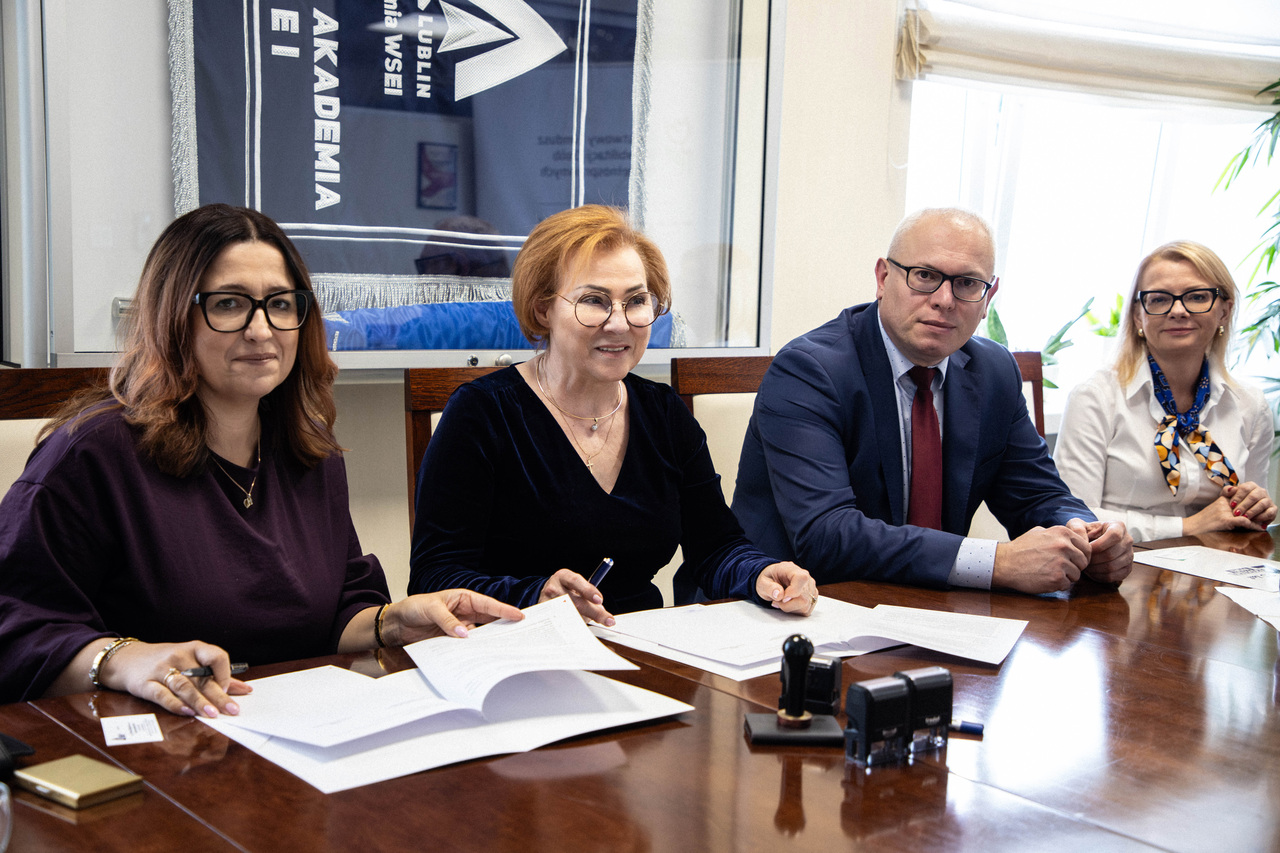
An agreement was signed today at the University’s headquarters, opening a new chapter in efforts to promote social and professional inclusion across the region.
The main aim of the partnership is to undertake initiatives designed to bring about a tangible improvement in the quality of life for people with disabilities. The collaboration will focus on promoting equal access to education, the modern labour market and public life in the broadest sense. Both institutions have declared a shared commitment to raising public awareness of the rights and needs of people with special needs and actively fostering positive attitudes towards them in their communities.
Under the agreement, WSEI University and Fund for the Rehabilitation of Disabled Peolple will jointly promote best practices in the fields of education and employment, and strive to increase the participation of people with disabilities in social life. Planned activities include the organisation of conferences, seminars and academic events, as well as the implementation of joint development projects that will fully utilise the potential and resources of both institutions.
The event was attended by representatives from both sides: Teresa Bogacka, Dr h.c. – President of th WSEI University, PhD Mariusz Paździor, Professor WSEI University – Rector of the University, PhD in Health Sciences Beata Wójcik – Representative for People with Disabilities, and Monika Wac – Director of the Lublin Branch of State Fund for the Rehabilitation of Disabled Peolple.
The partnership between institutions serves as an example of responsible cooperation between public institutions and the academic community. By joining forces, it will be possible to respond more effectively to the needs of people with disabilities and to consistently build a more accessible and inclusive society, in which barriers are replaced by new opportunities for development.