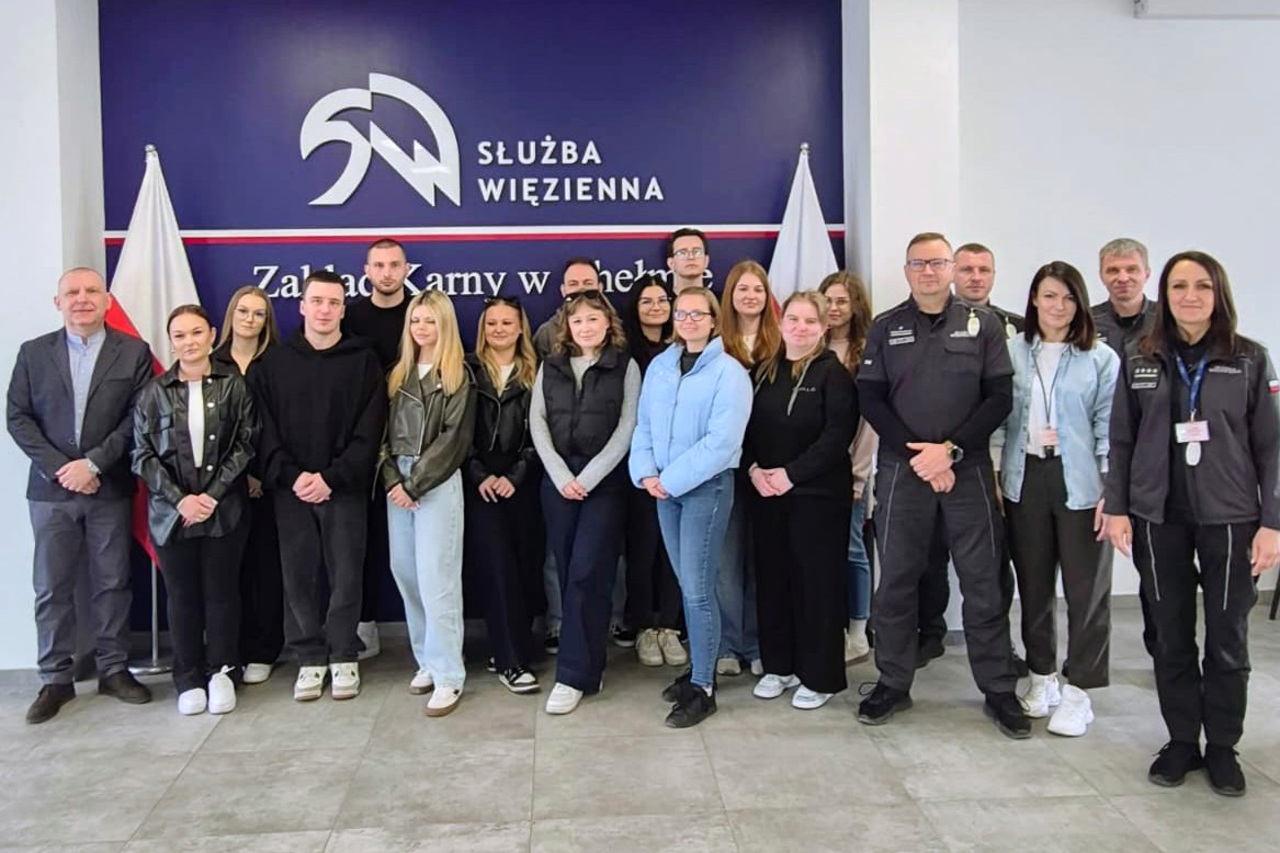




It was a practical introduction to the profession – that is how one might sum up the visit by fifth-year psychology students from WSEI University to the therapeutic unit at Chełm Prison. Our students were the first to visit this unit.
For fifth-year psychology students specialising in forensic and prison psychology, it was a unique experience. On 15 April, they were the first to gain an insight into the nature of work in the therapeutic unit at Chełm Prison.
- This facility houses the only therapeutic unit in the Lublin District of the Prison Service for prisoners with non-psychotic mental disorders or intellectual disabilities. The main purpose of the students’ visit was to familiarise themselves with the specific nature of the unit’s work and to meet its staff. It is worth noting that this was the first time in the history of the therapeutic unit at the Chełm prison that its staff had met with students - says Tomasz Goliński, a psychologist, therapist and lecturer at the Faculty of Psychology and Pedagogy at WSEI University.
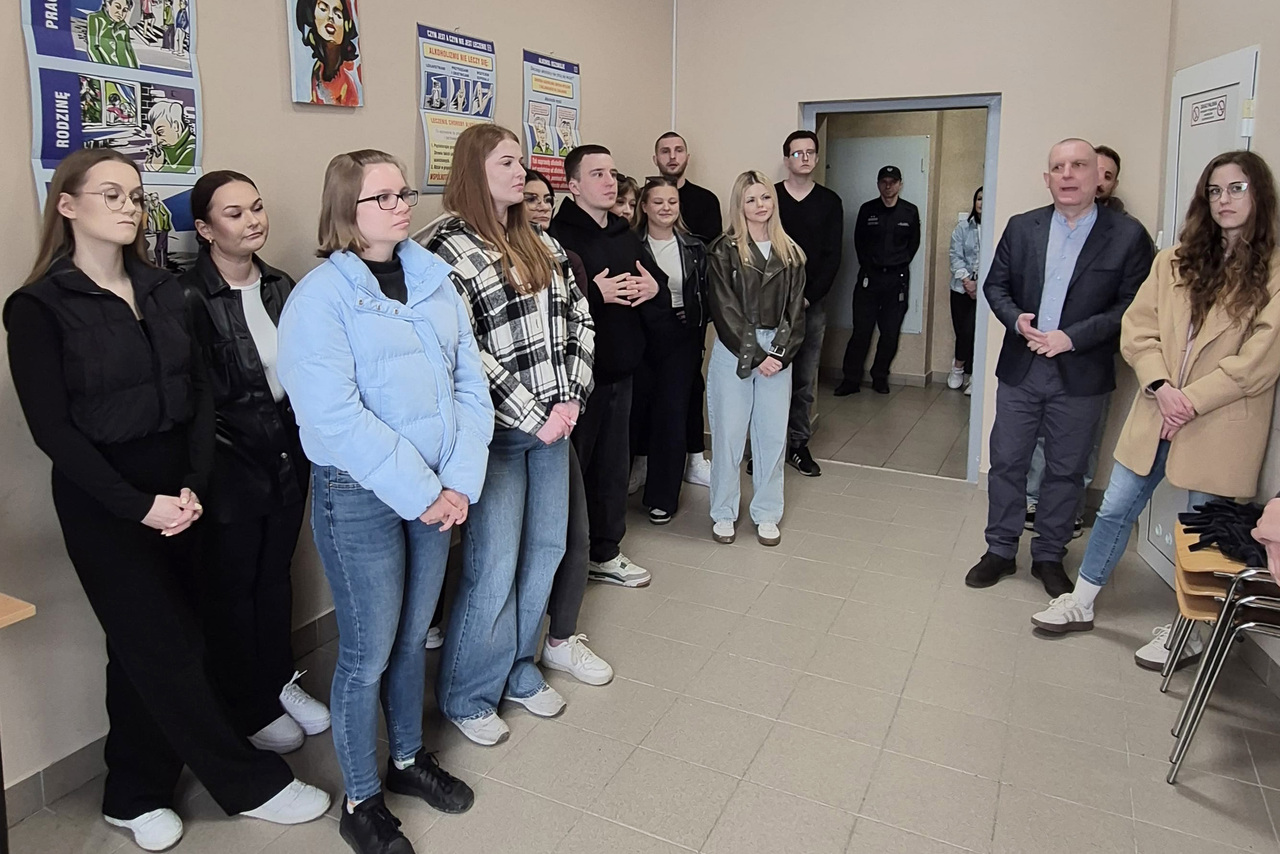
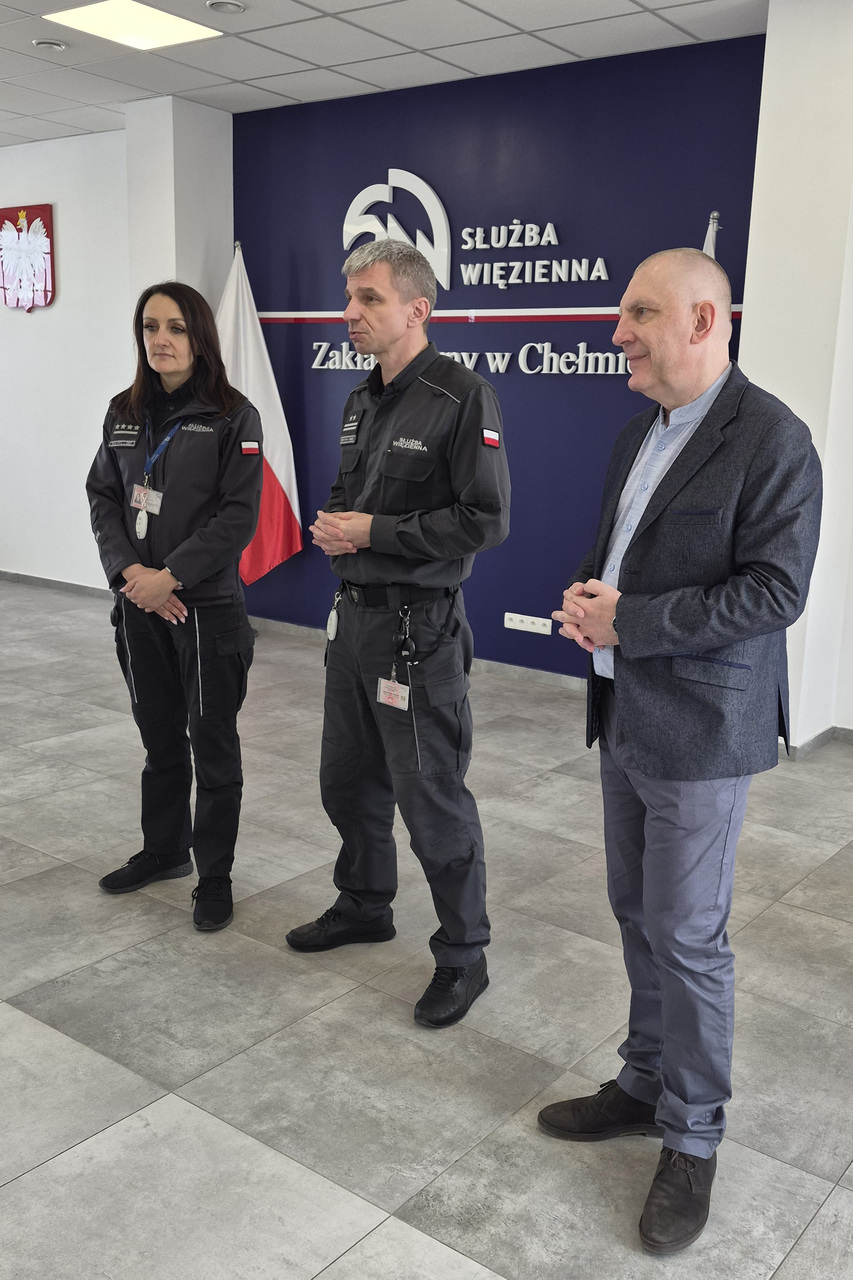
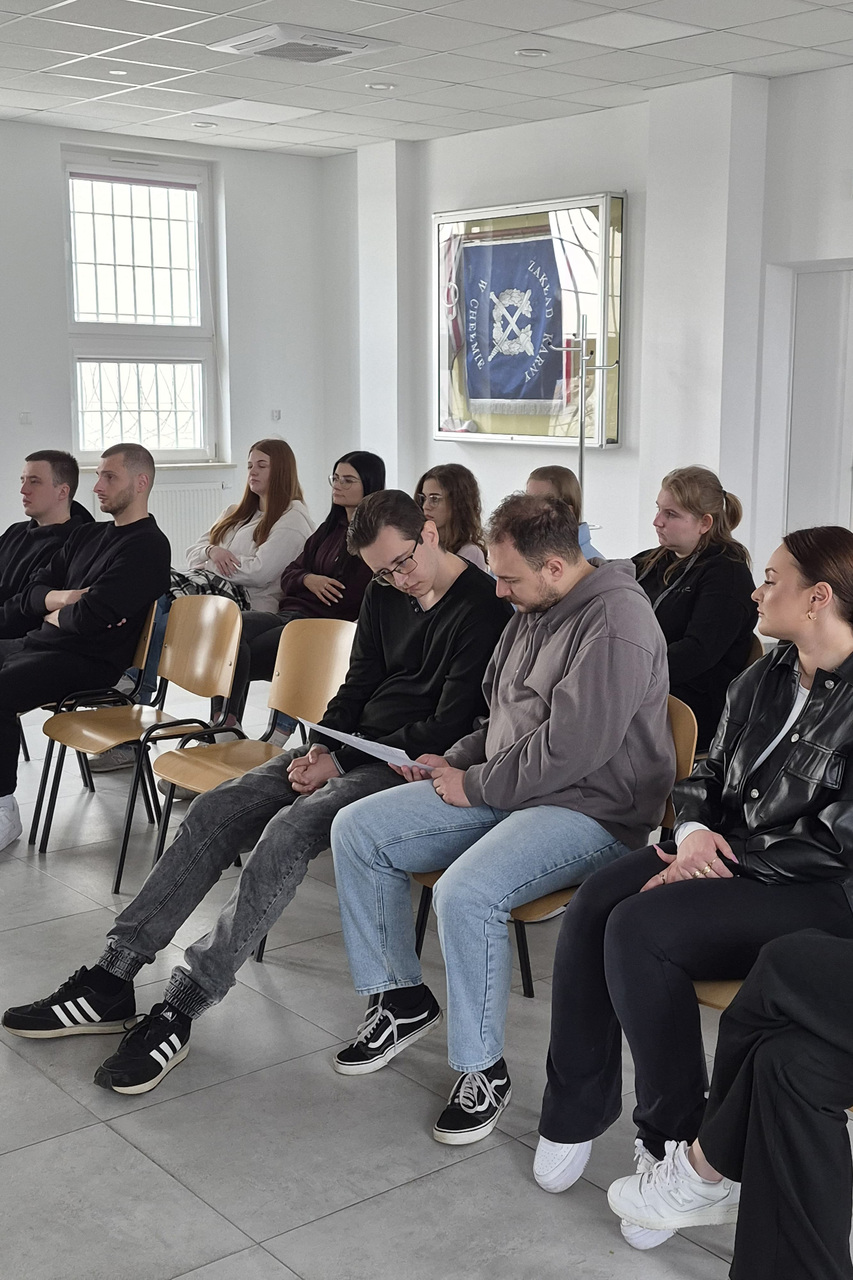
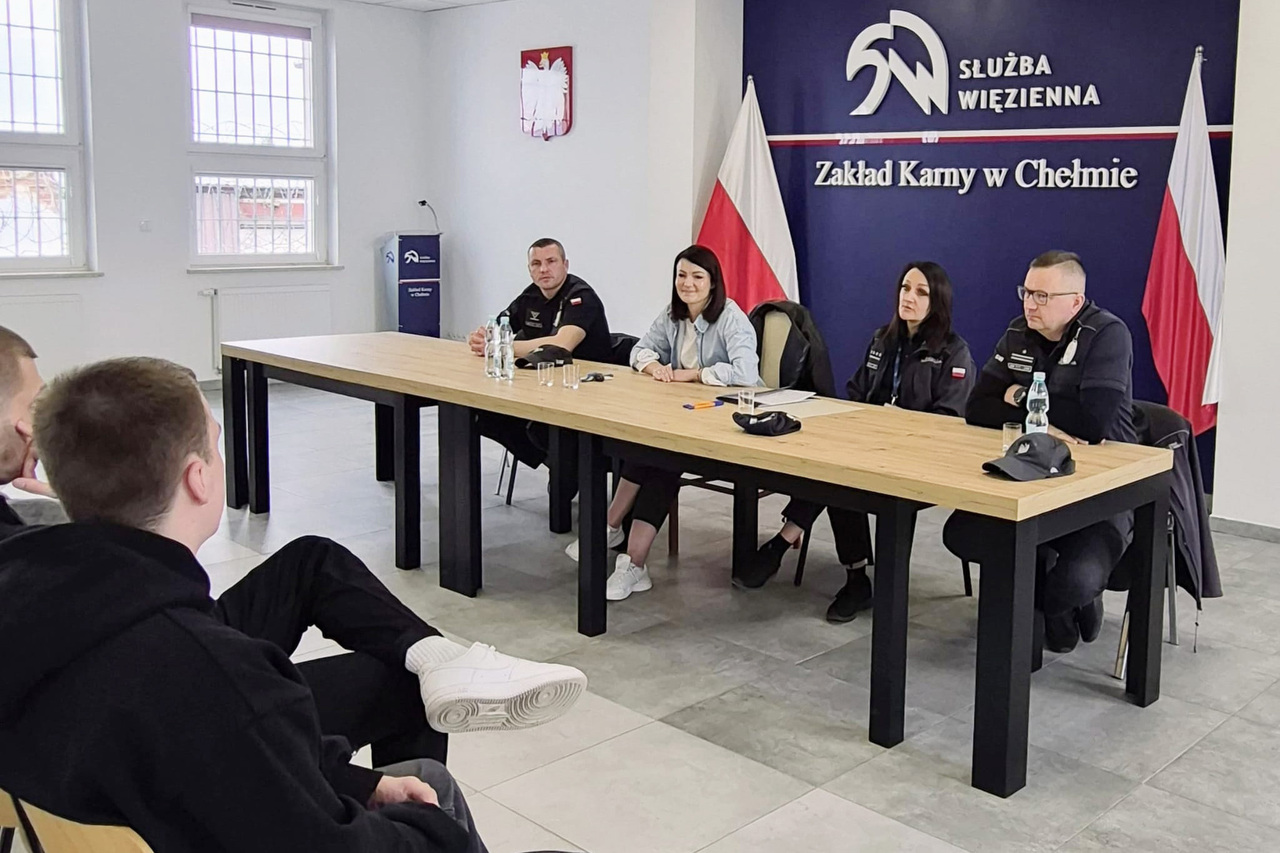
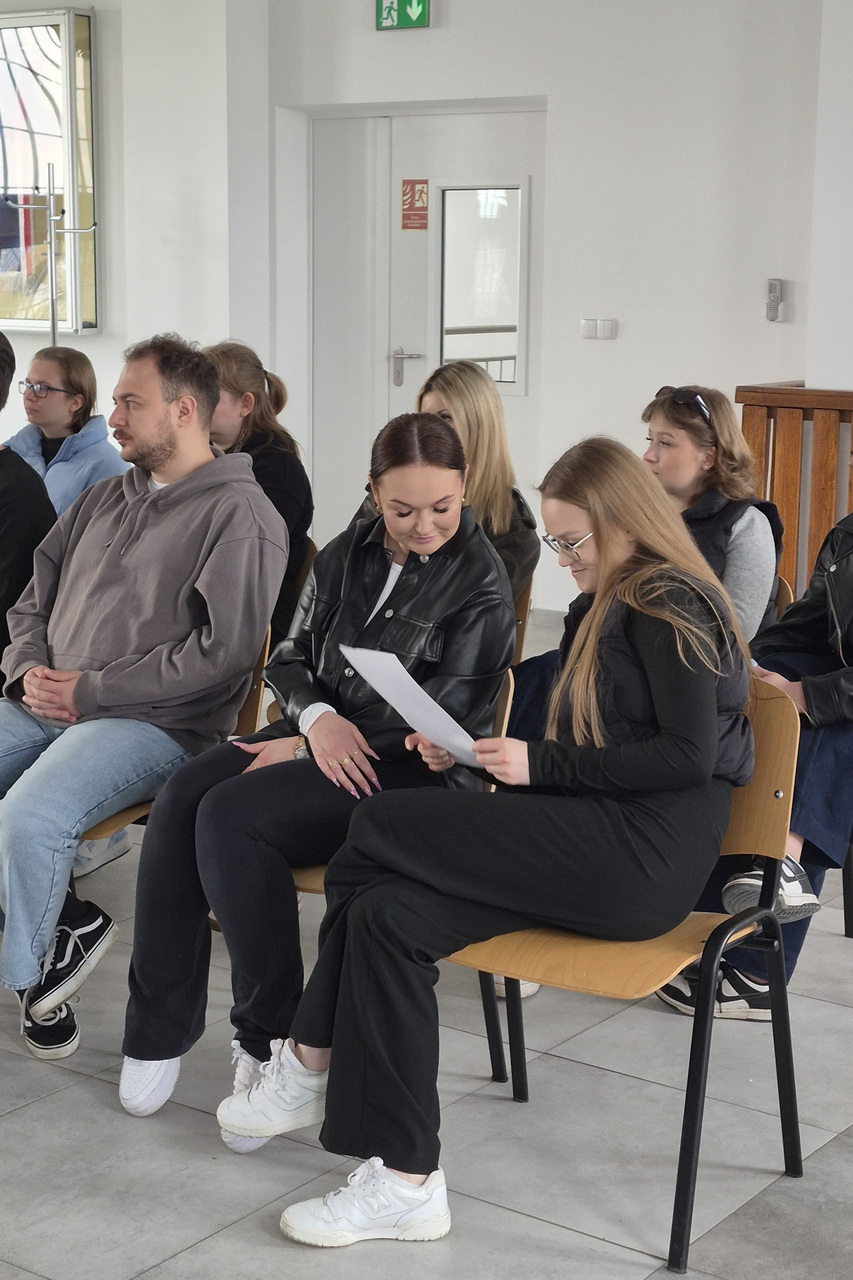
The Deputy Director of Chełm Prison, Lieutenant Colonel Krzysztof Madejek, met with the students in the briefing room, along with the staff of the therapeutic unit for prisoners with non-psychotic mental disorders or intellectual disabilities: the Unit Manager, Captain Ewa Rybińska, a psychologist, and the ward officers. They spoke about the specific nature of work in the therapeutic unit, as well as the tasks carried out there. They also explained to the students the rules governing the use of security measures against individuals leaving the prison.
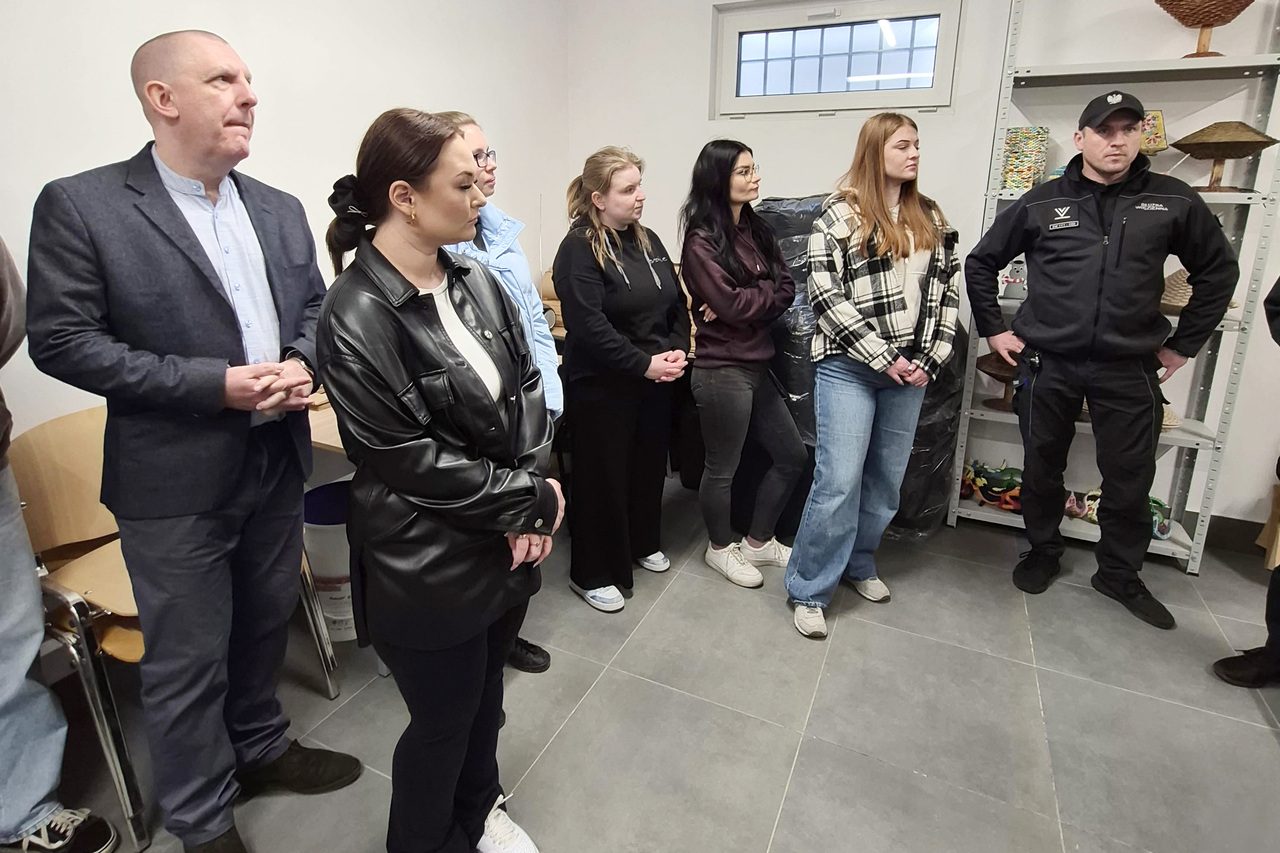
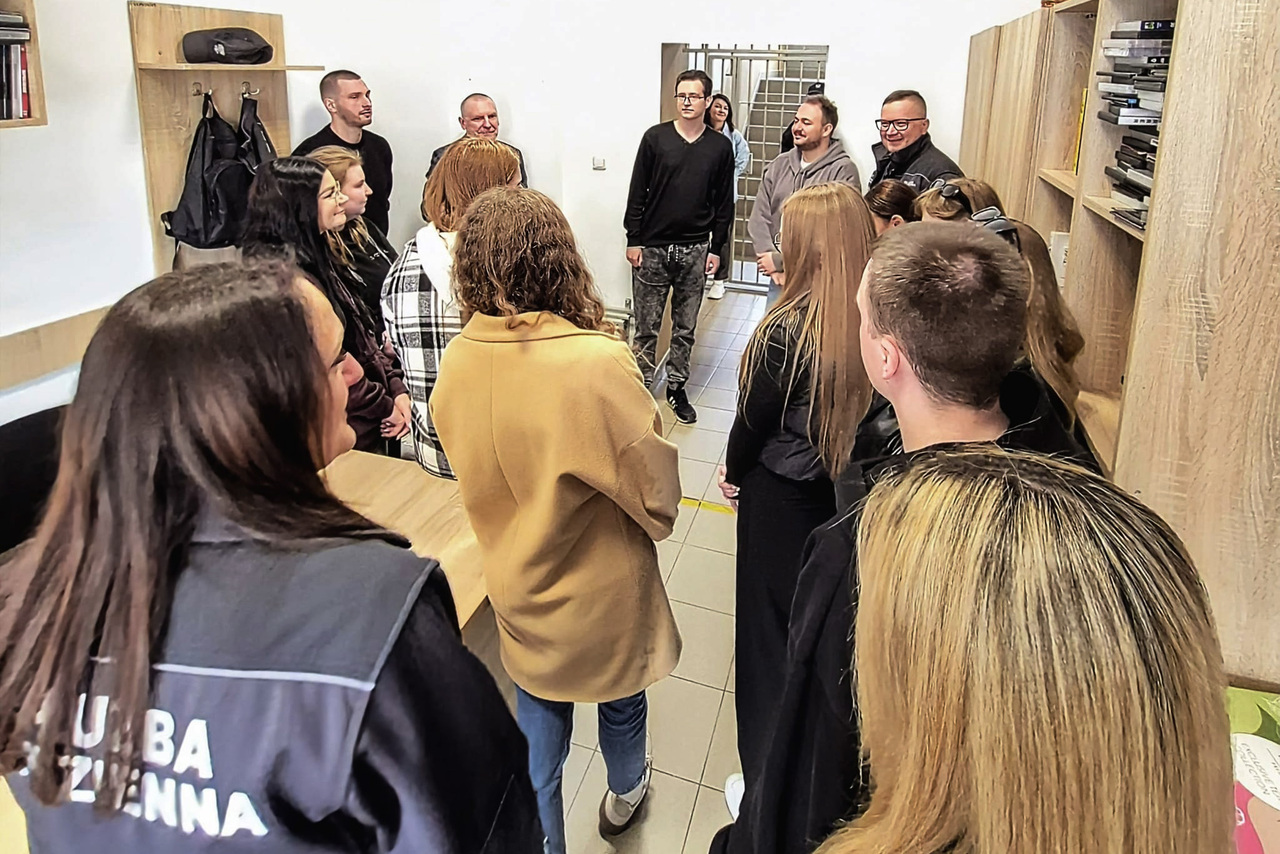
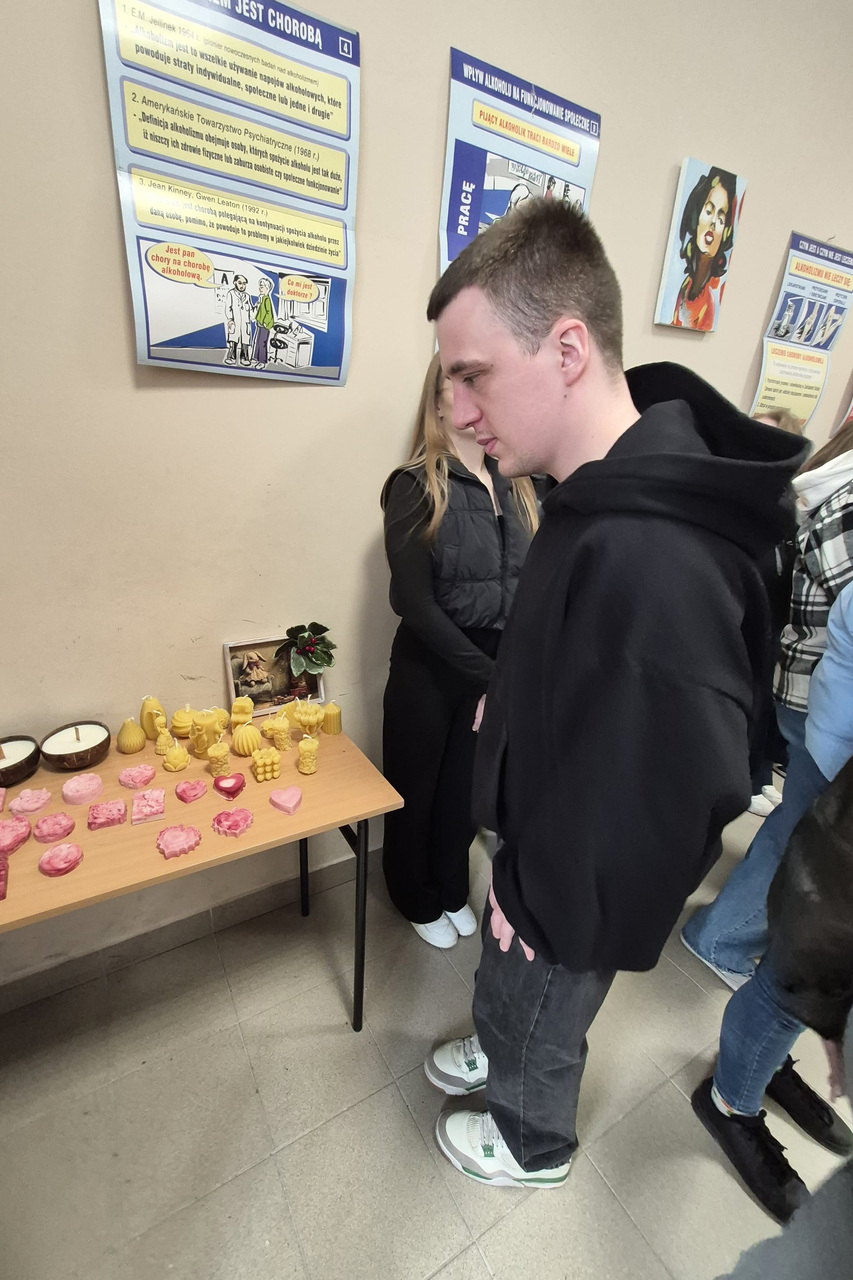
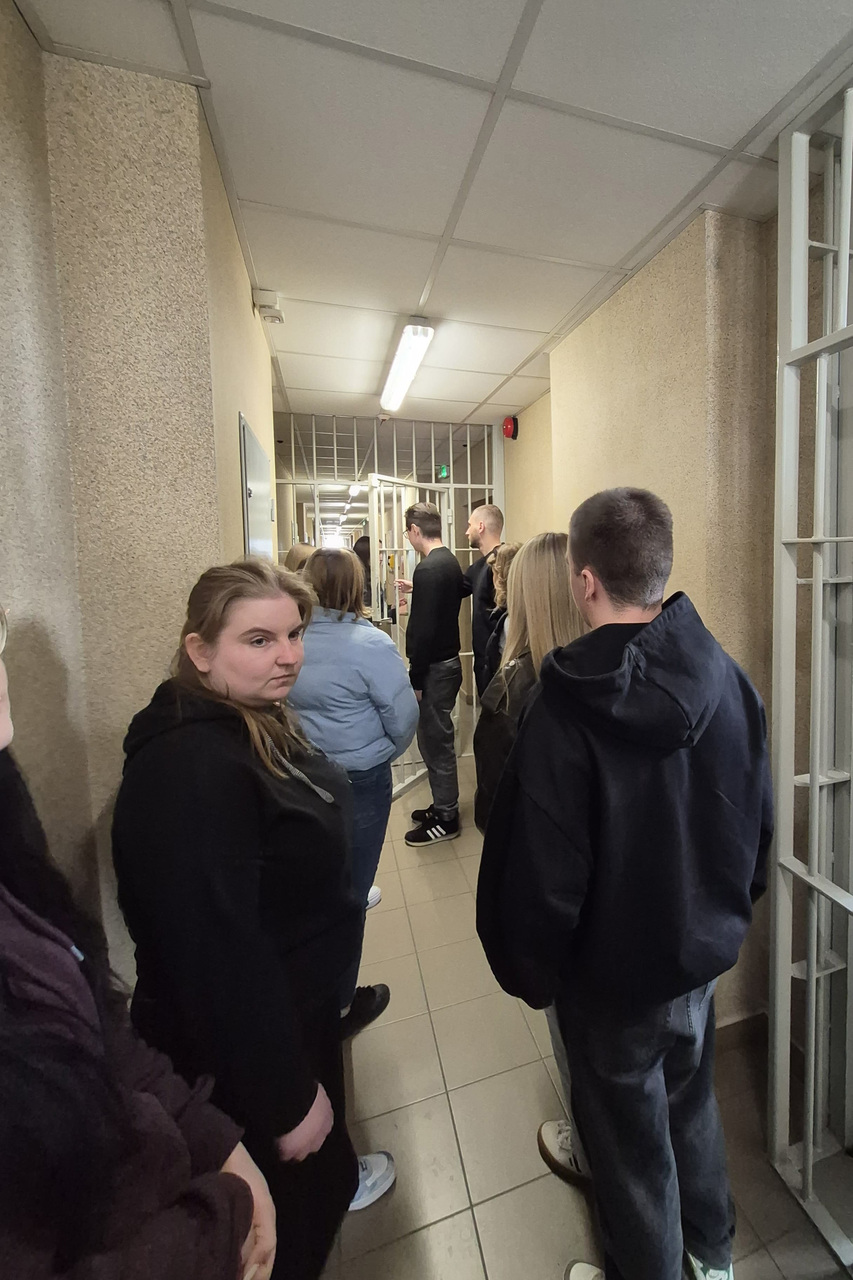
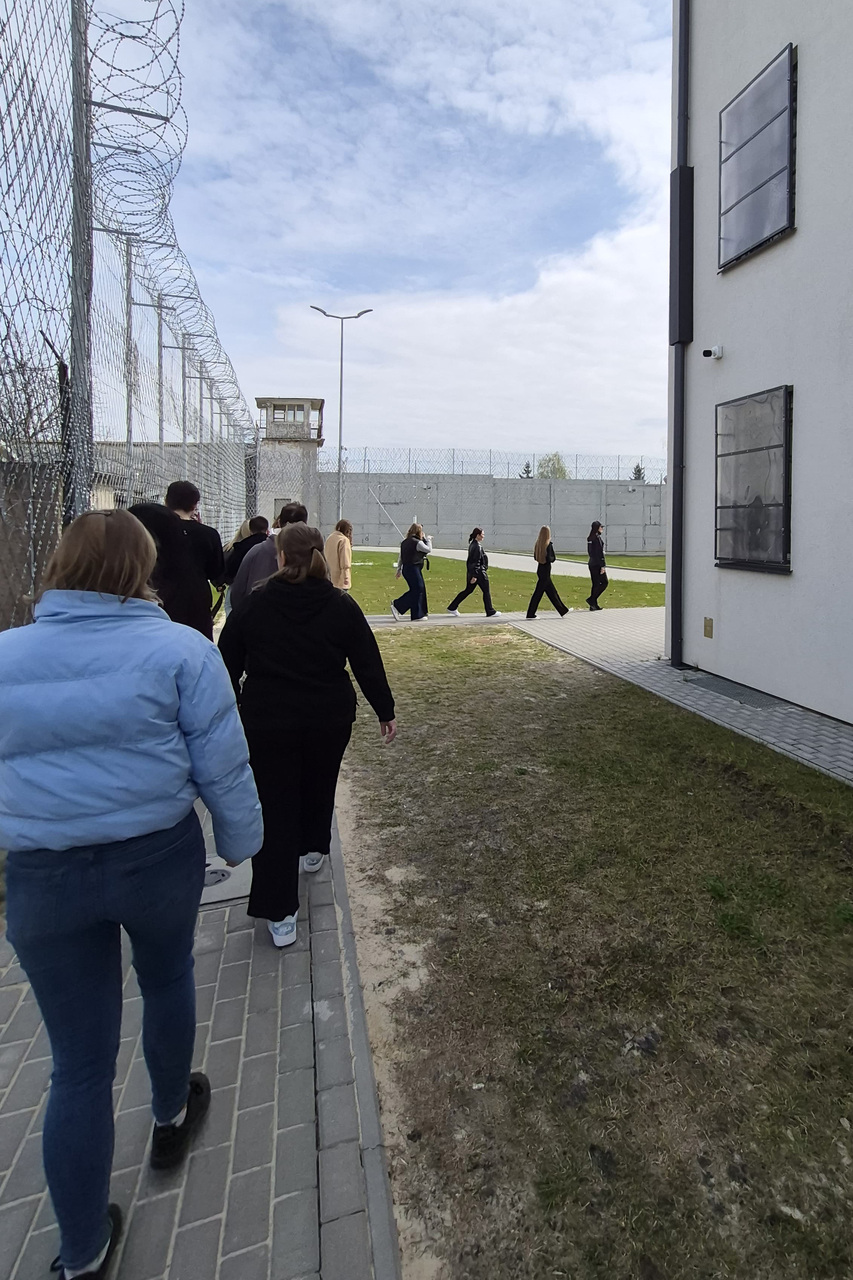
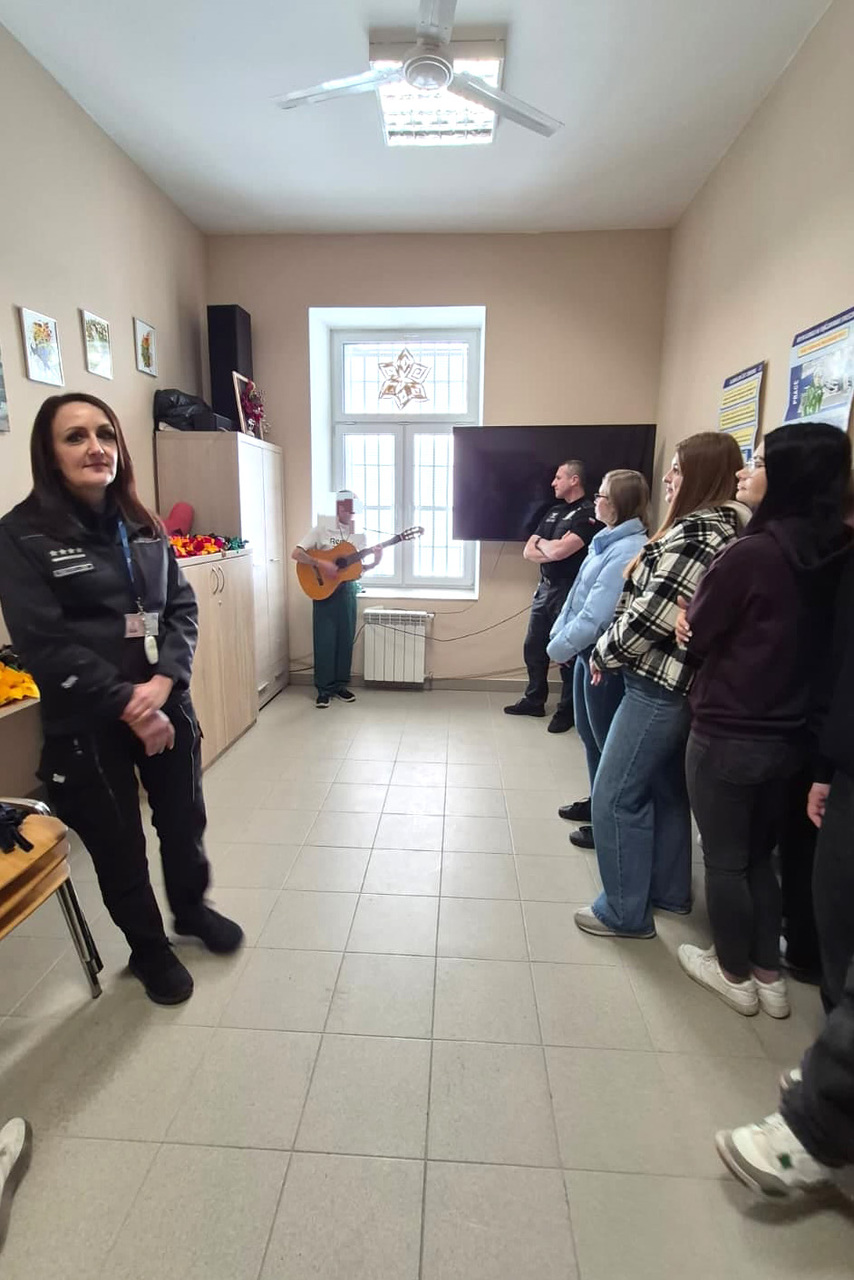
The students then went to the ward housing the therapeutic unit for prisoners with non-psychotic mental disorders or intellectual disabilities. There, they were shown around the unit and learned about the interventions provided for the prisoners.
During the visit, the students had the opportunity to speak with the management and staff of Chełm Prison about the specific nature of working in such a setting, as well as the role of a psychologist in this type of unit.
- Visits to places such as therapeutic units for prisoners with non-psychotic mental disorders or intellectual disabilities, and meetings with experienced prison staff, provide fifth-year psychology students with a practical introduction to the profession. They demonstrate one aspect of the specific nature of a psychologist’s work, which the students will soon be carrying out independently -concludes Tomasz Goliński, a lecturer at the Faculty of Psychology and Pedagogy at WSEI University.